The future of dubbing is visual
Why dubbing has always meant compromise between accuracy and immersion, and how AI lip sync flips the model so performances travel across languages.
Nobody likes dubbing. At least that’s what everyone tells you right? “Watch it with subtitles”, “you’re losing a lot of meaning when you watch it dubbed”, “you can’t translate everything” - the list of why not dubbing goes on and on. So why do people still dub movies?
Netflix data tells a very different story than the discourse online. When they released the German drama Dark, 81% of English-speaking audiences watched it dubbed. And across the platform, viewers who choose dubs are far more likely to finish a series than those who choose subs. The internet loves to romanticize subtitles as the “pure” way to watch foreign stories, but viewing data tells a different story. So that whole dub vs sub discourse is just that, discourse. Though it makes a very valid point.
Artists spend months, years, and even decades honing their craft and building the worlds in which these films and shows take place. Actors who train to elicit the correct emotions at the exact right time, writers who curate the perfect dialogue to shape a character, and directors who frame the perfect image to show the audience what to imagine - it’s a craft built with so much intent, all designed to immerse the audience completely. And dubbing destroys that. Mismatched lips. Voices that don’t share the emotion strewn across an actor’s face. Dialogue that is translated to fit a timebox it was never meant to. For decades, localization has been forced to choose between accuracy and immersion.
But it’s not all dubbing’s fault. In fact, the dubbing process is far more complicated than what meets the eye. Voice artists spend weeks understanding the scenes and characters. Writers have to understand both the original language and the translated language to an expert level, including nuances by region and jokes that only native speakers can relate to. And of course there is the balancing act of timing the translation so it fits not just within the scene, but against already moving lips.
That constraint changes everything. A sentence in Japanese might take three seconds to say naturally, while its English equivalent takes five. Some jokes simply don’t survive translation because the funniest or most accurate version no longer fits the mouth movements on screen. Emotional pauses, cadence, emphasis, all of it has historically been forced to bend around the visuals. Video translation has always been less about finding the right words and more about finding the words that fit. The result is that translators and voice actors are often solving an impossible problem.
For so long this process has worked, slightly evolving with the times and improving with the newest technologies at hand, but never truly reinventing itself. Now, AI dubbing and visual sync technology are beginning to change the equation entirely.
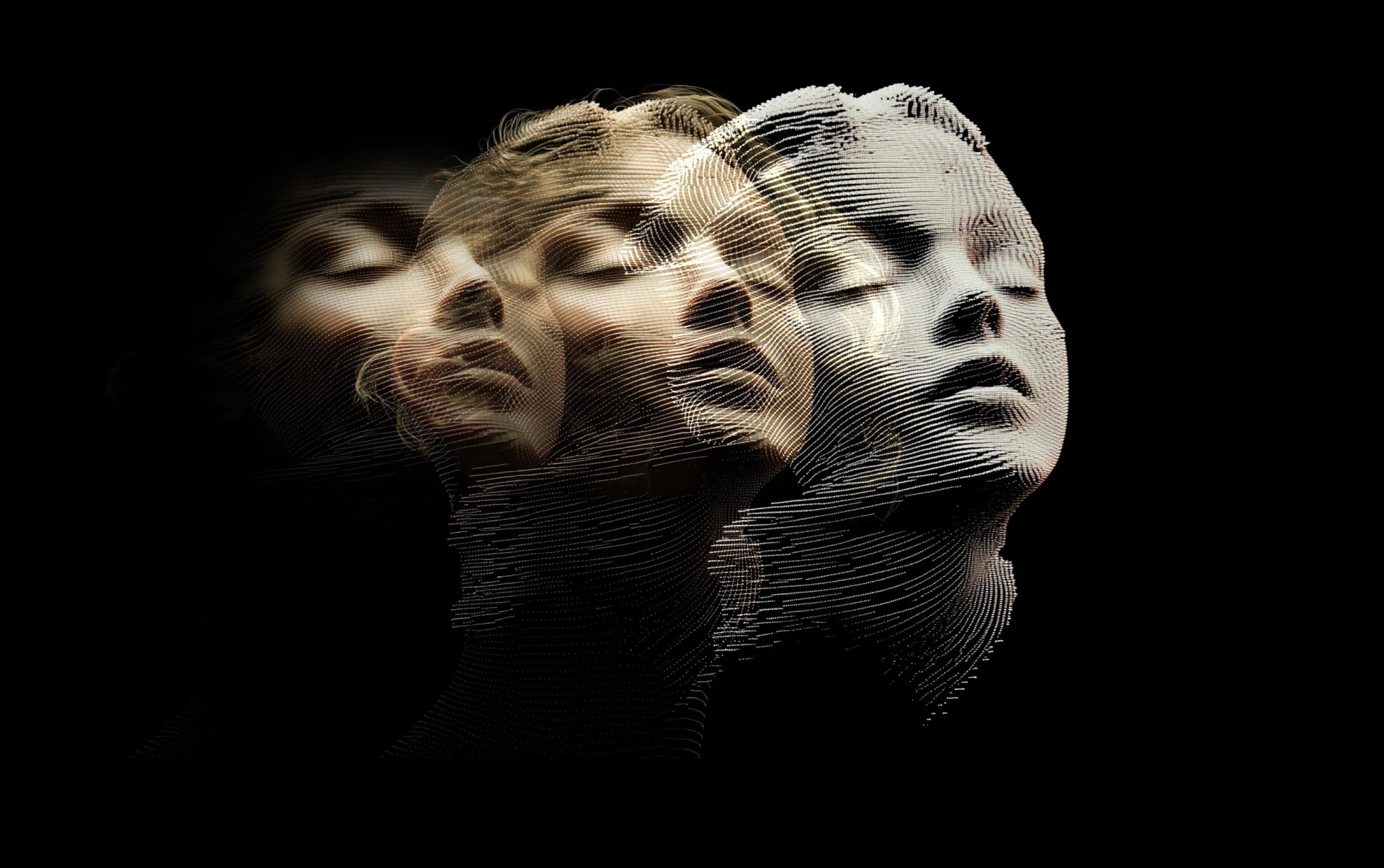
Historically, dubbing forced language to conform to visuals. Translation had to compress itself around timing, lip movement, and cadence. AI lip sync flips that model on its head. The performance can now adapt to the translation instead of the other way around.
Lip sync and visual dubbing technology look to rewrite the future of this space and usher in what can be a new golden age for dubbing. Armed with this technology, artists and writers can focus more on elevating the art and stories for a new locale rather than being constrained by things like timing and out of sync lips. Jokes longer in the translated language? Doesn’t matter. AI lip sync can retime the lips completely so you never have to compromise on the translation just for the sake of immersion. The new dialogue has slightly different emotional cues? With lip sync, you can match the performance to the dialogue itself, giving creators the most fine-tuned precision control possible. The immersion feels deeper and more natural because the translation no longer has to fight against the image.
And that’s the exciting part. The future of dubbing isn’t about replacing performances. It’s about preserving them across languages for the first time. Every story deserves the best translation and translated performance possible, opening up the world just a little bit more.
At sync. labs we believe every story deserves every audience and stories should travel freely across language. So if you’re still talking sub vs dub, maybe it’s time to just watch it synced.