kalyan
Kalyan Mada leads content at sync. labs, where he works on education, the content engine, and storytelling around AI video. Before sync. labs, he spent 5+ years as a product manager at Microsoft building AI and marketing technology products, including an agentic email tool for Copilot. He writes about visual dubbing, video localization, creator workflows, and how AI tools are changing the way teams produce and distribute video.
What is AI UGC? Tools, costs, and workflow
What AI UGC is, what it costs vs human creators in 2026, the tools that make it, and how lip sync turns one UGC ad into dozens of variants and languages.
Best Lipsync Studio alternatives compared
The best Lipsync Studio alternatives compared on lip sync quality, credit pricing, languages, and free tiers. How sync. labs, HeyGen, and Wav2Lip stack up.
Video localization: what it is and how it works
Video localization adapts a video's language, voice, and on-screen text for a new market. Here is what it involves, the methods, and how AI speeds it up.
What is MuseTalk? The real-time lip sync model
What MuseTalk is, how Tencent's real-time model re-syncs the mouth in existing video, what changed in v1.5, where it falls short, and what to use instead.
What is dubbing? Types, cost, and AI dubbing
Dubbing replaces a video's original dialogue with a new voice track in another language. Here is what dubbing is, the main types, and how AI dubbing works.
Best lipsync.video alternatives compared
The best lipsync.video alternatives compared on lip sync quality, credit pricing, languages, and free tiers. How sync. labs, Wav2Lip, and Vozo stack up.
What is LatentSync and is it good in 2026?
What LatentSync is, how ByteDance's latent diffusion model lip syncs existing video, what changed in 1.5 and 1.6, where it falls short, and what to use instead.

Why AI lip sync still looks fake
AI lip sync gives itself away in a few predictable ways: floating teeth, broken side profiles, drifting timing, and a visible seam. Here's how to spot each one, and what separates production-grade lip sync from a gimmick.
What is SadTalker and is it still good in 2026?
What SadTalker is, how it turns one photo and an audio clip into a talking head video, where it shows its age in 2026, and what to use instead.
Best Vozo alternatives compared
The best Vozo alternatives compared on lip sync quality, what they work on, language breadth, and pricing. How sync. labs, Rask AI, and HeyGen stack up.
Kling lip sync: how to sync and dub your video
How Kling's built-in lip sync works, why creators sync Kling videos outside the app, and how sync-3 lip syncs and dubs any AI-generated clip in 95+ languages.
What is LipDub AI, and the best alternative
LipDub AI is MARZ's production-grade lip sync and dubbing platform. What it does, its languages and pricing, and how sync. labs compares as an alternative.
What is AI lip sync? Meaning, uses, and tools
What lip sync means, how AI lip sync regenerates a speaker's mouth to match new audio, what it's used for, and how to try it on your own video.
How YouTube auto dubbing works, and its limits
What YouTube auto dubbing is, how it works in 2026, which languages it covers, and the lip sync gap that still makes auto-dubbed videos look dubbed.

What is Wav2Lip? The open-source lip sync model
What Wav2Lip is, how its frozen lip-sync expert works, why it looks dated in 2026, and how the team behind it went on to build sync. labs and sync-3.
Best Synthesia alternatives compared
The best Synthesia alternatives compared on what they work on, language breadth, voice cloning, and pricing. How sync. labs, HeyGen, and Rask AI stack up.
Best HeyGen alternatives compared
The best HeyGen alternatives compared on what they work on, language breadth, voice cloning, and pricing. How sync. labs, Synthesia, and Rask AI stack up.
Best AI lip sync tools for video editors
Four AI lip sync tools compared for video editors on NLE integration, real-footage support, language breadth, voice cloning, and pricing, with a decision table.
AI dubbing vs subtitles vs voiceover
AI dubbing keeps the speaker's voice and lip movement, subtitles are cheapest, voiceover is fastest to record. Here is how the three methods compare.
How to translate YouTube videos
Translate YouTube videos in one pass with sync. labs: clone the creator's voice, re-sync their lips, and add the dub as a multi-language audio track.
How to turn an image into a talking video
Turn a single still image into a lip-synced talking video with sync-3. No source footage, no avatar setup: one photo in, a speaking person out.
How to translate a video to English
Translate a video to English in one pass with sync. labs: clone the speaker's voice, re-sync their lips, and export in minutes, no studio.
Is AI dubbing safe? A creator's guide
AI dubbing is safe when you control voice rights, consent, and data. Here is what to check, and how sync. labs keeps dubbing consent-first.
Why does AI dubbing sound robotic?
AI dubbing sounds robotic when it ignores voice, timing, and lip movement. Here is why it happens and how sync. labs models fix it.
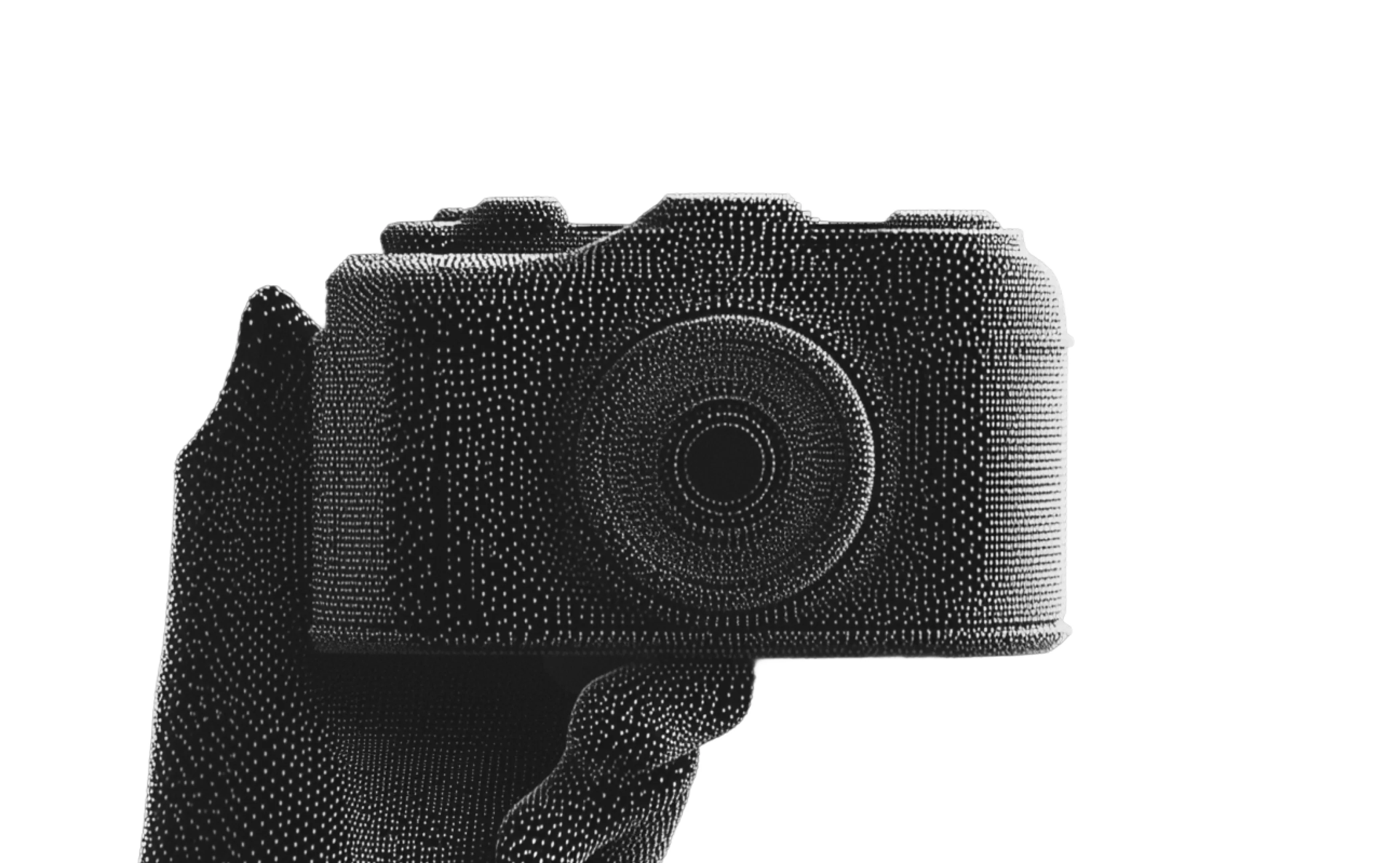
image-to-video on sync-3
image-to-video is live on sync-3. Upload a single still, add audio, and get a fully lip synced talking video back. No source footage required.
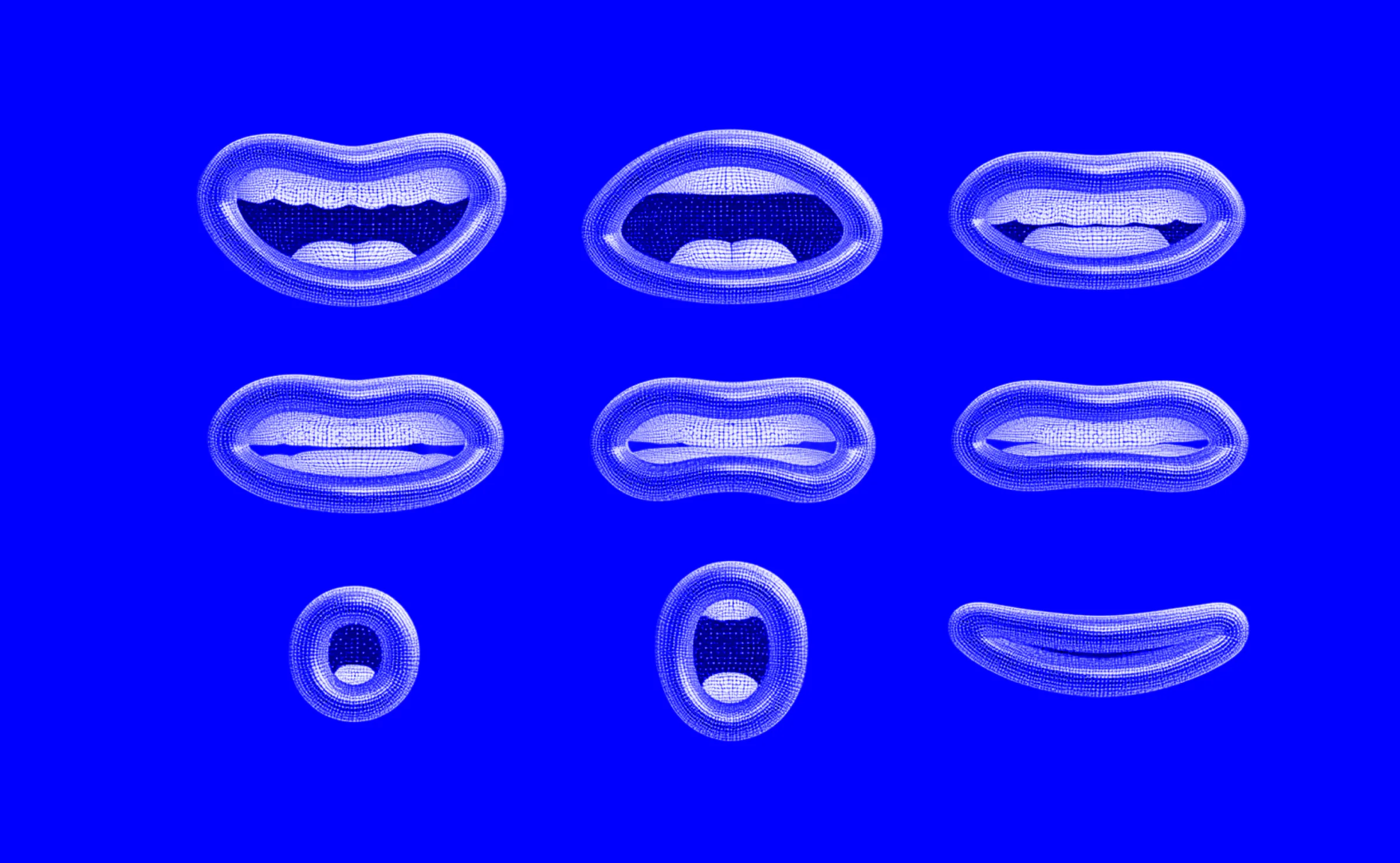
How AI lip sync actually works
The architectures, the training trick that changed the field, and the failure modes nobody talks about. An honest look at what modern AI lip sync models are doing under the hood.